Middle East and North Africa
Explore Gallup's research.

Gallup's latest update on global safety shows people worldwide feel safer today than they did a decade ago, but many countries have a long way to go.

Worldwide, more people today are satisfied with their freedom to choose what they do with their lives than were satisfied two decades ago.

Global confidence in key national institutions is at its highest point in the past two decades.

Unlike older U.S. adults, younger Americans have grown more negative about their local job prospects in recent years, a trend not seen in most economies worldwide.
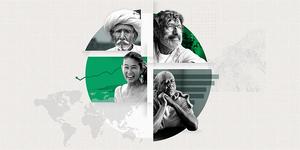
Explore the connection between global peace, wellbeing and health in this report based on 145,000+ interviews across 144 countries and areas.

Of three aspects of workplace wellbeing measured globally, enjoyment in daily work is tied to the largest increases in how workers evaluate their lives.
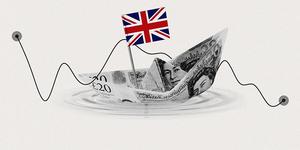
For the second consecutive year, about one in five Britons say their local economy is getting better.

Ahead of World Press Freedom Day, Gallup trends show the majority of adults globally saying their media have a lot of freedom, even as pressures on these freedoms rise.
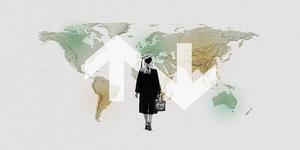
Gallup's Potential Net Migration Index shows where populations would grow or shrink if everyone who wanted to move permanently to another country did so.
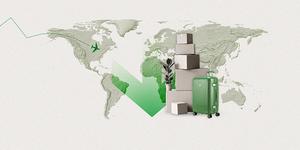
In 2025, fewer people worldwide are imagining their futures elsewhere. The U.S., long the world's most desired destination, is attracting less interest than at any point in nearly two decades.
Ahead of Earth Day, Gallup data show the world feels more positive about efforts to preserve the environment than at any point in the past 20 years.
$100 trillion in global growth is coming. Who will get it? Gallup identifies three leading indicators that may help answer that question.
Globally, China led the U.S. in 2025 leadership approval (36% vs. 31%), one of the widest gaps in 20 years, while U.S. disapproval hit a record high of 48%.

Finland remains happiest, but the latest World Happiness Report rankings show regional and generational shifts in global wellbeing.

The fifth Hologic Global Women's Health Index shows progress in preventive care and safety, but gaps remain.
Americans' opinions of Canada and Great Britain have slumped to new lows, with Japan and Italy replacing them at the top of this year's country ratings.
Since creating the World Poll in 2005, Gallup has conducted studies in more than 160 countries that include 99% of the world's adult population. The Gallup World Poll tracks the most important issues worldwide, such as food access, employment, leadership performance, and well-being.

Gallup trends show long-term increases in Iraqis' feelings of safety and trust in institutions that could be tested by further instability in the region.
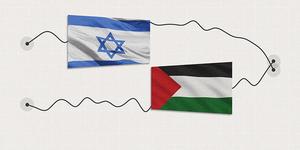
Israelis no longer lead the Palestinians in Americans' sympathies, with independents' shift toward the Palestinians driving most of the change.
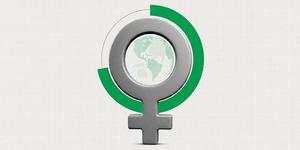
Globally, views of how women are treated are more positive today than they have been at most points in the past decade. Views have improved among women and men, but gaps remain.