GALLUP NEWS SERVICE
PRINCETON, NJ -- Most Americans sympathize with Cindy Sheehan, the grieving mother who led an anti-war protest outside President George W. Bush's Texas ranch for most of August. A majority of Americans also say Bush should meet with her. Still, less than half of Americans agree with the actions Sheehan has taken in her opposition to the Iraq war. And, despite her efforts to draw public attention to anti-war arguments, Sheehan's tactics have not appeared to increase public opposition to the Iraq war.
Americans supported the Iraq war as it began in March 2003, but attitudes began to sour significantly about a year ago, and have remained characteristically negative through most of this summer. Today, more than half of Americans disapprove of the way Bush is handling Iraq, think the original decision to go to war was a mistake, and favor at least partial troop withdrawal from Iraq.
- Only 40% of Americans approve, while 59% disapprove of the way Bush is handling Iraq -- nearly identical to results in late June, when 40% approved and 58% disapproved.
- Fifty-three percent of Americans think going to war in Iraq was a mistake, similar to the 54% who said this in early August.
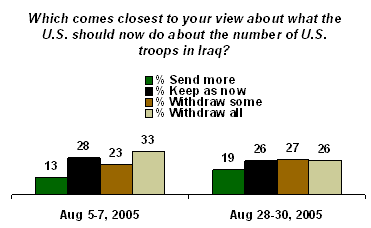
- Fifty-three percent of Americans favor a reduction of U.S. troops in Iraq, similar to the 56% in August. Today's percentage includes 26% who prefer withdrawing all troops, and 27% who favor withdrawing some troops.
- Although Sheehan and her supporters have called for an immediate withdrawal of all U.S. troops, the percentage of Americans with this view has actually fallen since early August, from 33% to 26%, while the percentage in favor of sending more troops has increased slightly.
Sheehan's Plea for Meeting Gets Mixed Reaction
Sheehan's 24-year-old son was killed in Iraq in April, and Sheehan demanded that Bush defend his administration's rationale for going to war in Iraq in a face-to-face meeting with her in which she can also air her grievances.
Although Bush staff members have met with Sheehan, the president's refusal to meet with her during this episode (he already met with her once) risks looking callous, as the majority of Americans -- 58% -- say Bush should meet with her; only 41% say he should not.
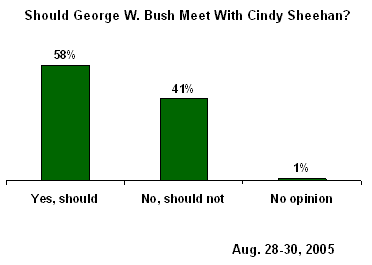
Naturally, most Americans (74%) who think the war was a mistake think Bush should meet with Sheehan, while most war supporters (59%) do not think he should.
Attitudes on this question follow a similar pattern by political affiliation -- although relative to some other issues, these attitudes are not strongly partisan. Nearly three-quarters of Democrats (72%) and 63% of independents think Bush should meet with Sheehan, while the majority of Republicans (58%) think he should not.
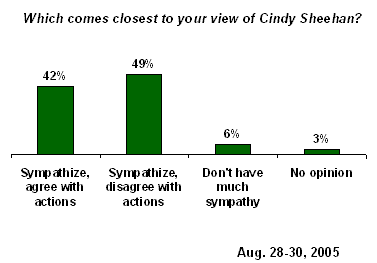
Sheehan clearly has Americans' sympathy for the loss of her son. Overall, 91% of Americans say they sympathize with her over this. But this sympathy does not guarantee support for her political activism. Only 42% of Americans both sympathize with her and agree with her actions against the war. About half of Americans sympathize with her but disagree with her actions (49%). Another 6% do not have much sympathy for her because of her actions.
Protest Having Limited Impact on Bush, Americans
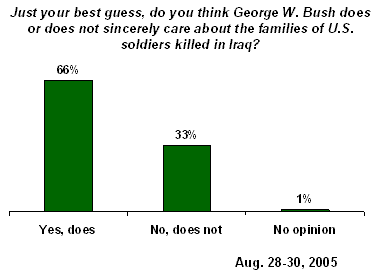
Bush's refusal to meet with Sheehan has not appeared to hurt him politically. Not only has his approval rating for his handling of Iraq remained stable, but a new measure finds that Americans, by a 2-to-1 margin, believe Bush sincerely cares about the families of U.S. soldiers killed in Iraq.
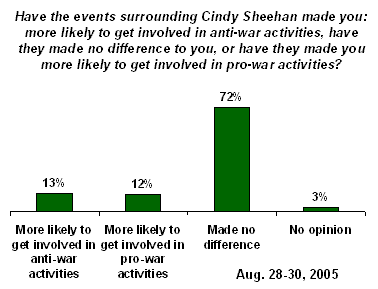
Meanwhile, Sheehan's protest is doing little to inspire fellow resisters to become active against the Iraq war. Only 13% of Americans (including 21% of those saying the Iraq war was a mistake) say that the events surrounding the Sheehan news story have made them more likely to get involved in anti-war activities. A nearly equal percentage -- 12% of Americans -- say it has made them more likely to get involved in pro-war activities.
Americans Doubt Iraq Will Be Stabilized
Although Bush has thus far declined to meet with Sheehan for a second time (they met once this spring at an event for the parents of fallen soldiers), he articulated his rationale for staying the course in Iraq in a V-J Day commemoration speech on Tuesday.
In that speech, Bush argued that America's continued military involvement in Iraq is needed to prevent terrorists and insurgents from taking control of that country -- which would include Iraq's oil fields as well as the government. Bush also expressed confidence that the war will result in a free and democratic Iraq.
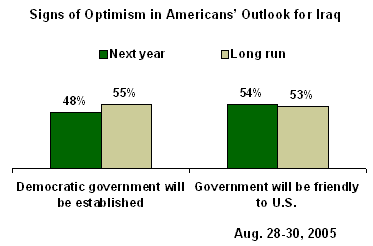
Americans marginally agree with Bush that a democratic government will be established in Iraq and that the Iraqi government will be friendly to the United States. Slightly more than half the public says it is likely these things will happen in the long run, and close to half, if not the majority, says these will happen within the next year.
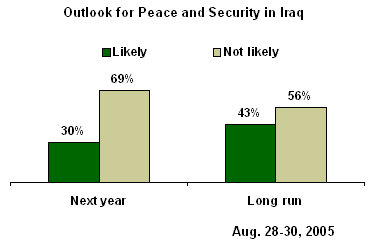
At the same time, Americans remain pessimistic about the military challenges that Iraq presents. Less than half think peace and security will be established in Iraq, either next year (30%) or even in the long run (43%). The majority says this is unlikely.
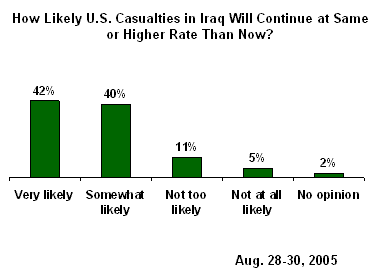
Additionally, most Americans predict that, over the next year, U.S. military casualties will continue to mount at the same rate or even a higher rate than now. Forty-two percent of Americans consider this very likely and another 40% say somewhat likely. Only 16% of Americans think it is unlikely.
Survey Methods
These results are based on telephone interviews with a randomly selected national sample of 1,007 adults, aged 18 and older, conducted Aug. 28-30, 2005. For results based on this sample, one can say with 95% confidence that the maximum error attributable to sampling and other random effects is ±3 percentage points.
For results based on the 507 national adults in the Form A half-sample and 500 national adults in the Form B half-sample, the maximum margins of sampling error are ±5 percentage points.
In addition to sampling error, question wording and practical difficulties in conducting surveys can introduce error or bias into the findings of public opinion polls.
2. Do you approve or disapprove of the way George W. Bush is handling -- [RANDOM ORDER]?
|
2005 Aug 28-30 |
|
|
|
% |
% |
|
|
Terrorism |
53 |
44 |
|
Foreign affairs |
43 |
52 |
|
The situation in Iraq |
40 |
59 |
|
The economy |
38 |
60 |
|
Health care policy |
32 |
60 |
|
Gas prices |
20 |
76 |
C. The situation in Iraq
|
Approve |
Disapprove |
No opinion |
|
|
% |
% |
% |
|
|
2005 Aug 28-30 |
40 |
59 |
1 |
|
|
|
|
|
|
2005 Jun 24-26 |
40 |
58 |
2 |
|
2005 May 20-22 ^ |
40 |
56 |
4 |
|
2005 Apr 29-May 1 |
42 |
55 |
3 |
|
2005 Apr 1-2 |
43 |
54 |
3 |
|
2005 Feb 25-27 |
45 |
53 |
2 |
|
2005 Feb 4-6 |
50 |
48 |
2 |
|
2005 Jan 7-9 |
42 |
56 |
2 |
|
2004 Nov 7-10 |
47 |
51 |
2 |
|
2004 Oct 14-16 |
46 |
52 |
2 |
|
2004 Sep 24-26 |
48 |
49 |
3 |
|
2004 Aug 9-11 |
45 |
52 |
3 |
|
2004 Jun 21-23 ^ |
42 |
56 |
2 |
|
2004 Jun 3-6 |
41 |
57 |
2 |
|
2004 May 7-9 ^ |
41 |
58 |
1 |
|
2004 May 2-4 |
42 |
55 |
3 |
|
2004 Apr 16-18 |
48 |
49 |
3 |
|
2004 Mar 26-28 |
51 |
47 |
2 |
|
2004 Jan 29-Feb 1 |
46 |
53 |
1 |
|
2004 Jan 2-5 |
61 |
36 |
3 |
|
2003 Dec 5-7 |
50 |
47 |
3 |
|
2003 Nov 3-5 |
45 |
54 |
1 |
|
2003 Oct 6-8 |
47 |
50 |
3 |
|
2003 Sep 8-10 |
51 |
47 |
2 |
|
2003 Aug 25-26 |
57 |
41 |
2 |
|
2003 Jul 25-27 |
60 |
38 |
2 |
|
2003 Jul 18-20 |
57 |
39 |
4 |
|
2003 Jul 7-9 |
58 |
39 |
3 |
|
2003 Jun 12-15 |
63 |
34 |
3 |
|
2003 Apr 14-16 |
76 |
21 |
3 |
|
2003 Mar 29-30 |
71 |
27 |
2 |
|
2003 Mar 24-25 |
71 |
26 |
3 |
|
2003 Mar 14-15 |
56 |
41 |
3 |
|
2003 Jan 31-Feb 2 |
54 |
42 |
4 |
|
2003 Jan 3-5 |
55 |
40 |
5 |
|
2002 Dec 9-10 |
55 |
39 |
6 |
|
2002 Oct 21-22 |
52 |
40 |
8 |
|
^Asked of half sample |
|||
8. Just your best guess, do you think George W. Bush does -- or does not -- sincerely care about the families of U.S. soldiers killed in Iraq?
|
Yes, does |
No, does not |
No opinion |
|
|
|
|
|
|
|
2005 Aug 28-30 |
66% |
33 |
1 |
36. In view of the developments since we first sent our troops to Iraq, do you think the United States made a mistake in sending troops to Iraq, or not?
|
Yes, a mistake |
No, not |
No opinion |
|
|
% |
% |
% |
|
|
2005 Aug 28-30 |
53 |
46 |
1 |
|
|
|
|
|
|
2005 Aug 5-7 ^ |
54 |
44 |
2 |
|
2005 Jul 22-24 |
46 |
53 |
1 |
|
2005 Jun 24-26 |
53 |
46 |
1 |
|
2005 Apr 29-May 1 ^ |
49 |
48 |
3 |
|
2005 Mar 18-20 ^ |
46 |
51 |
3 |
|
2005 Feb 25-27 |
47 |
51 |
2 |
|
2005 Feb 4-6 |
45 |
55 |
* |
|
2005 Jan 14-16 |
52 |
47 |
1 |
|
2005 Jan 7-9 |
50 |
48 |
2 |
|
2004 Nov 19-21 |
47 |
51 |
2 |
|
2004 Oct 29-31 ^ |
44 |
52 |
4 |
|
2004 Oct 22-24 |
47 |
51 |
2 |
|
2004 Oct 14-16 |
47 |
52 |
1 |
|
2004 Oct 9-10 ^ |
46 |
53 |
1 |
|
2004 Oct 1-3 |
48 |
51 |
1 |
|
2004 Sep 24-26 |
42 |
55 |
3 |
|
2004 Sep 3-5 ^ |
38 |
57 |
5 |
|
2004 Aug 23-25 ^ |
48 |
50 |
2 |
|
2004 Jul 30-Aug 1 |
47 |
51 |
2 |
|
2004 Jul 19-21 |
50 |
47 |
3 |
|
2004 Jul 8-11 ^ |
54 |
45 |
1 |
|
2004 Jun 21-23 ^ |
54 |
44 |
2 |
|
2004 Jun 3-6 ^ |
41 |
58 |
1 |
|
2004 May 7-9 ^ |
44 |
54 |
2 |
|
2004 Apr 16-18 ^ |
42 |
57 |
1 |
|
2004 Jan 12-15 ^ |
42 |
56 |
2 |
|
2003 Nov 3-5 ^ |
39 |
60 |
1 |
|
2003 Oct 6-8 ^ |
40 |
59 |
1 |
|
2003 Jul 7-9 ^ |
27 |
72 |
1 |
|
2003 Mar 24-25 ^ |
23 |
75 |
2 |
|
^Asked of a half sample |
|||
37. Which comes closest to your view about what the U.S. should now do about the number of U.S. troops in Iraq -- [ROTATED: the U.S. should send more troops to Iraq, the U.S. should keep the number of troops as it is now, the U.S. should withdraw some troops from Iraq, (or) the U.S. should withdraw all of its troops from Iraq]?
|
Send more troops |
Keep as |
Withdraw some troops |
Withdraw |
No |
|
|
% |
% |
% |
% |
% |
|
|
2005 Aug 28-30 |
19 |
26 |
27 |
26 |
2 |
|
|
|
|
|
|
|
|
2005 Aug 5-7 |
13 |
28 |
23 |
33 |
3 |
|
2005 Jun 6-8 |
10 |
26 |
31 |
28 |
5 |
|
2005 Feb 4-6 |
10 |
38 |
32 |
17 |
3 |
|
2005 Jan 14-16 |
24 |
26 |
21 |
25 |
4 |
|
2004 Sep 24-26 |
21 |
35 |
21 |
18 |
5 |
|
2004 Jun 3-6 |
18 |
30 |
23 |
27 |
2 |
|
2004 May 7-9 |
25 |
24 |
18 |
29 |
4 |
|
2004 Apr 16-18 |
33 |
25 |
16 |
21 |
5 |
|
2004 Apr 5-8 |
20 |
29 |
18 |
28 |
5 |
|
2004 Jan 2-5 |
11 |
40 |
29 |
16 |
4 |
|
2003 Dec 15-16 |
14 |
40 |
27 |
15 |
4 |
|
2003 Dec 5-7 |
22 |
33 |
25 |
17 |
3 |
|
2003 Nov 3-5 ^ |
17 |
32 |
29 |
19 |
3 |
|
2003 Oct 24-26 ^ |
14 |
27 |
39 |
18 |
2 |
|
2003 Aug 25-26 ^ |
15 |
36 |
32 |
14 |
3 |
|
|
|
|
|
|
|
|
^WORDING: Which comes closest to your view about what the U.S. should now do about the number of U.S. troops in Iraq -- [ROTATED: the U.S. should send more troops to Iraq, the U.S. should keep the number of troops as it is now, the U.S. should begin to withdraw some troops from Iraq, (or) the U.S. should withdraw all of its troops from Iraq]? |
|||||
38. How much longer do you think the U.S. should have a significant number of troops in Iraq -- less than a year, one to two years, three to five years, six to ten years, or longer than ten years?
COMBINED RESPONSES (Q.37-38)
|
|
2005 Aug 28-30 |
|
% |
|
|
Withdraw now (not any longer) |
26 |
|
Keep less than a year |
18 |
|
Keep 1-2 years |
29 |
|
Keep 3-5 years |
14 |
|
Keeps 6-10 years |
4 |
|
Keep longer than 10 years |
3 |
|
|
|
|
No opinion |
6 |
39. Please tell me whether you think each of the following is very likely, somewhat likely, somewhat unlikely, or very unlikely to happen in Iraq in the next YEAR. [ITEMS A-C ROTATED, ITEM D READ LAST]
BASED ON 507 NATIONAL ADULTS IN FORM A
A. Peace and internal security will be established
|
Very |
Somewhat |
Somewhat |
Very |
No |
|
|
% |
% |
% |
% |
% |
|
|
2005 Aug 28-30^ |
4 |
26 |
22 |
47 |
1 |
|
|
|
|
|
|
|
|
2005 Feb 4-6 |
9 |
29 |
25 |
36 |
1 |
|
2005 Jan 7-9 |
6 |
22 |
23 |
48 |
1 |
|
2004 May 21-23^ |
7 |
22 |
25 |
44 |
2 |
|
|
|
|
|
|
|
|
^Asked of a half sample |
|||||
B. A democratic form of government will be established
|
Very |
Somewhat |
Somewhat |
Very |
No |
|
|
% |
% |
% |
% |
% |
|
|
2005 Aug 28-30 ^ |
11 |
37 |
23 |
28 |
1 |
|
|
|
|
|
|
|
|
2005 Feb 4-6 |
23 |
41 |
17 |
18 |
1 |
|
2005 Jan 7-9 |
15 |
32 |
23 |
29 |
1 |
|
2004 May 21-23 ^ |
12 |
30 |
23 |
32 |
3 |
|
|
|
|
|
|
|
|
^Asked of a half sample |
|||||
C. The Iraqi government will be friendly to the United States
|
Very |
Somewhat |
Somewhat |
Very |
No |
|
|
|
|
|
|
|
|
|
2005 Aug 28-30 ^ |
12% |
42 |
18 |
27 |
1 |
|
|
|
|
|
|
|
|
^Asked of a half sample |
|||||
D. U.S. military casualties in Iraq will continue at the same rate or a higher rate than now
|
Very |
Somewhat |
Somewhat |
Very |
No |
|
|
|
|
|
|
|
|
|
2005 Aug 28-30 ^ |
42% |
40 |
11 |
5 |
2 |
|
|
|
|
|
|
|
|
^Asked of a half sample |
|||||
40. Please tell me whether you think each of the following is very likely, somewhat likely, somewhat unlikely, or very unlikely to happen in Iraq in the long run. [RANDOM ORDER]
BASED ON 500 NATIONAL ADULTS IN FORM B
A. Peace and internal security will be established
|
Very |
Somewhat |
Somewhat |
Very |
No |
|
|
|
|
|
|
|
|
|
2005 Aug 28-30 ^ |
8% |
35 |
26 |
30 |
1 |
|
|
|
|
|
|
|
|
^Asked of a half sample |
|||||
B. A democratic form of government will be established
|
Very |
Somewhat |
Somewhat |
Very |
No |
|
|
|
|
|
|
|
|
|
2005 Aug 28-30 ^ |
13% |
42 |
23 |
20 |
2 |
|
|
|
|
|
|
|
|
^Asked of a half sample |
|||||
C. The Iraqi government will be friendly to the United States
|
Very |
Somewhat |
Somewhat |
Very |
No |
|
|
|
|
|
|
|
|
|
2005 Aug 28-30 ^ |
10% |
43 |
23 |
23 |
1 |
|
|
|
|
|
|
|
|
^Asked of a half sample |
|||||
41. How closely have you been following the news reports about Cindy Sheehan, the mother of an American soldier killed in Iraq, who is protesting the war outside George W. Bush's Texas ranch -- very closely, somewhat closely, not too closely, or not at all?
|
|
Very |
Somewhat |
Not too |
Not |
No |
|
|
|
|
|
|
|
|
2005 Aug 28-30 |
17% |
44 |
23 |
16 |
* |