Story Highlights
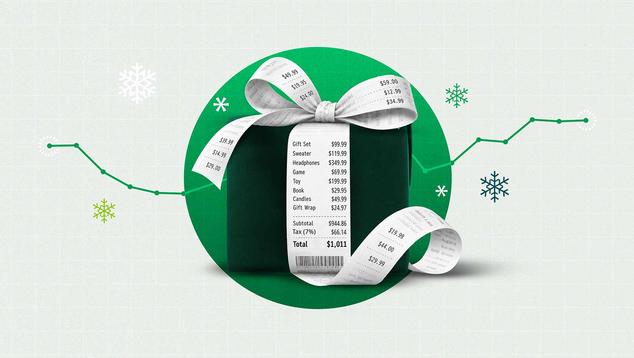
- Americans plan to spend an average of $1,011 on gifts, similar to recent years
- Current spending estimate points to holiday sales growth near 3%
- 18% expect to spend more than last year and 24% less, little changed
WASHINGTON, D.C. — Americans expect to spend an average of $1,011 on Christmas or other holiday gifts in 2026, according to Gallup’s initial measure of their holiday shopping plans. This is on par with their spending estimates at the same point in 2025 and 2024, years when U.S. holiday sales ultimately grew by just over 3%, a typical amount of growth in retail sales.
The breakdown of consumers’ 2026 gift budgets has also changed little from last year. About a third (36%) expect to spend $1,000 or more, 18% plan to spend between $500 and $999, and 27% expect to spend less than $500. Additionally, 19% are unsure what they'll spend, expect to spend nothing or say they don’t celebrate the holiday.
Gallup first asked Americans about their Christmas spending intentions in October 1989 and has measured them every October and November except for one (2012, measured only in November) since 2006. The October readings provide an initial look at consumers' holiday spending mindset, offering an early signal of that year's holiday retail sales. Gallup's follow-up measure in November typically finds consumers planning to spend less than they projected in October, but it can also be helpful in spotting major shifts in consumers' mindset that may occur as the season progresses.
Majority Say Their Spending Will Match Last Year’s
The Oct. 1-19 Gallup poll also finds little change in holiday shoppers’ reports of whether the amount they expect to spend on gifts this year is higher, the same as or lower than last year.
As is almost always the case, a majority of Americans (54%) say they will spend “about the same” amount on gifts as they did last year, while the percentage saying they will spend less (24%) exceeds those planning to spend more (18%).
The current six-percentage-point gap in favor of spending less is similar to the four- and five-point edges recorded each year since 2023. Consumers were somewhat more cautious in their spending projections in 2020 and 2021 during the pandemic (which did not align with the strong spending that followed amid government stimulus payments).
Looking at the trend over the past two decades, Americans were most cautious during the Great Recession in 2008, when 35% planned to spend less and just 9% more. That signal proved meaningful, as November-December retail sales fell 4.1%, the worst in the modern era. Similar consumer caution in 2009 preceded essentially flat holiday sales.
How to Interpret Gallup’s October Consumer Data
Holiday retail sales typically increase from one year to the next. Excluding 2020 and 2021, when seasonal spending was distorted by the pandemic and government stimulus payments, November-December sales have risen by an average of 3.6% annually since 2000. Sales have grown by 5% or more in strong years and by 2% to 3% in weak ones. The retail data Gallup uses for this analysis are the Census Bureau’s estimate of monthly sales at retailers (other than auto dealers and gas stations) and restaurants.
In years when retail sales have been unusually weak, such as 2008 and 2009, Gallup’s October readings on holiday spending plans have given a meaningful warning of consumer caution. In other years, they have been a general guide — indicating spending will be closer to normal without allowing for a precise percentage estimate.
Also, the size of the change in Gallup’s spending estimates cannot be taken at face value. From year to year, the October spending estimate typically moves about three times as much as actual holiday sales. In 2008, for example, holiday sales fell 4.1%, while Gallup’s October estimate fell 12%. It is thus the direction and magnitude of the change relative to past Gallup readings that matter.
Taking those factors into account, the stability in Americans’ estimate of their holiday spending compared with last year portends a roughly average increase in retail spending this year of about 3.1%. However, these forecasts can be off by as much as two or three percentage points.
Bottom Line
Gallup’s initial look at Americans’ 2026 holiday shopping plans shows consumers budgeting about the same amount for gifts as they did in the past two years, with slightly more planning to cut back than to spend more. While higher prices mean steady gift budgets may not stretch quite as far as last year, it appears most likely that retailers will see an ordinary season, with sales growth of about 3%.
That steadiness comes despite inflation running at about 3.5% and many Americans’ ongoing concern about gas prices and inflation more generally. Gallup’s October readings have proved most useful as an early warning of a sharp pullback in holiday spending, and this year’s results carry no such warning.
The picture could change as the season unfolds. Gallup’s survey was conducted before the Nov. 3 midterm elections, and the election results, the path of prices or other developments could shift consumers’ plans in the weeks ahead. Gallup’s November update will provide insight into whether consumer intentions have shifted in either direction.
To stay up to date with the latest insights and updates, follow @Gallup on X and Instagram.
Learn more about how the Gallup Poll Social Series works. View complete question responses and trends (PDF download).