GALLUP NEWS SERVICE
PRINCETON, NJ -- As the Federal Open Market Committee (FOMC) lowered interest rates for the fifth time this year, monetary policy-makers made it clear that they feared recession more than inflation. Also concerned about a possible recession, Congress continues to move the tax cut along at a rapid pace. The latest Gallup poll suggests that monetary and fiscal policy-makers have well-founded fears about the weakening economy.
In May, Americans' ratings of current economic conditions continued on what has become a persistent downward trend since October 2000. Further, expectations for the future remain negative. Combined, these trends suggest that the economy will continue to weaken in the months ahead.
Of course, the real fear of economic policy makers is that the current economic downturn will become a full-fledged recession. That is, the capital spending and wealth-loss driven economic downturn of early 2001 can become something much worse if today's record layoffs and growing unemployment have a significantly negative impact on public confidence and the consumer's willingness to spend.
In this regard, it should be noted that the decline in economic ratings this month, and even the downward trend of the past six months, still leaves the country well above the recession levels of 1990-91. The overall rating of the current economy is nowhere near as low as it was in the early 1990s. Furthermore, a clear majority of Americans say that they do not think that we are currently in a recession.
Obviously, monetary and fiscal policies seem designed to bring us the much hoped for "soft landing" this year. At this point, Gallup poll data suggest that the public sees a weakening economy -- but still is not convinced that a recession is unavoidable.
Public Confidence In the Economy Continues to Decline
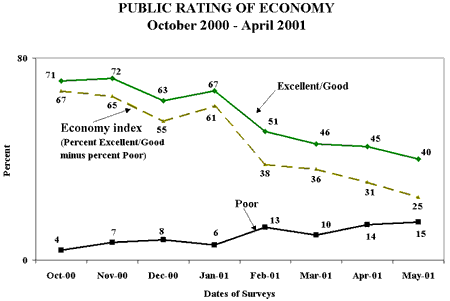
Gallup's most recent poll on the economy was conducted May 10-14, and shows that 40% of Americans rate the economy as excellent or good, 45% as fair, and 15% as poor. Last month, the percentage who said excellent or good was five points higher, at 45%, and the percentage saying it is poor was one point lower, at 14%. Thus, the economy index (see graph), calculated as the percentage who say excellent or good minus the percentage who say poor, is at 25 this month, down from the 31 that was recorded last month and 36 the month before. The index was more than twice its current level at 61 in January 2001.
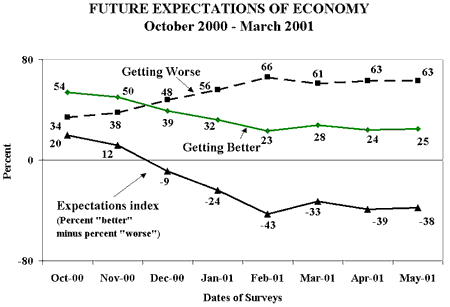
Americans' expectations about the direction of the economy remain quite negative -- 63% say that economic conditions are getting worse, while just 25% say better. These numbers are virtually identical to those measured last month, when Americans said they thought the economy was getting worse rather than better by a 63% to 24% margin. Thus, the net expectations index (see graph), calculated as the percent saying better minus the percent saying worse, stayed at about the same level -- going from -39 to -38 over the past month.
Last October and November, the expectations index showed a net positive value of 20 percentage points and 12 percentage points, respectively. By December, however, the index had turned negative, as the percentage saying worse outnumbered the percentage saying better by nine percentage points, and by January of this year the index had declined to -24, reaching its low point in February, at -43. It improved in March to a –33 but declined again in April.
Nearly Two out of Three Americans Say Economy is Not In a Recession
The May poll also shows that 62% of Americans say the economy is NOT now in a recession, while 32% disagree. This measure has been volatile over the past several months, with about the same number saying the country was not in a recession in March (64%) as are saying it is now. However, last month the percentage decreased to 52%, similar to its February percentage (49%).
While Gallup's recession measure has been extremely volatile over recent months, the public's rating of the economy has shown a pronounced downward trend. In this regard, it may be that the public is a lot less clear about the differences between an economic downturn and a recession than they are about the fact that the economy is weak and getting weaker. Of course, if the Fed's efforts to stimulate the economy do not produce the hoped for increase in business spending and the tax cut efforts meet with significant delays, then no one will be confused about the reality of a recession later this year.
Survey Methods
Results are based on telephone interviews with 1,012 national adults, aged 18+, conducted May 10-14, 2001. For results based on the total sample of national adults, one can say with 95% confidence that the margin of sampling error is +/- 3 percentage points. In addition to sampling error, question wording and practical difficulties in conducting surveys can introduce error or bias into the findings of public opinion polls.
How would you rate economic conditions in this country today -- as excellent, good, only fair, or poor?
|
|
|
|
|
No |
|
|
|
|
No |
|||
|
2001 |
1996 |
|||||||||||
|
2001 May 10-14 |
3 |
37 |
45 |
15 |
* |
1996 Oct 26-29 |
5 |
42 |
39 |
13 |
1 |
|
|
1996 Aug 30-Sep 1 † |
3 |
34 |
46 |
16 |
1 |
|||||||
|
2001 Apr 6-8 |
4 |
41 |
41 |
14 |
* |
1996 Jul 18-21 |
5 |
38 |
43 |
14 |
* |
|
|
2001 Mar 5-7 |
3 |
43 |
43 |
10 |
1 |
1996 May 9-12 |
3 |
27 |
50 |
19 |
1 |
|
|
2001 Feb 1-4 |
7 |
44 |
36 |
13 |
* |
1996 Apr 9-10 |
1 |
26 |
52 |
20 |
1 |
|
|
2001 Jan 10-14 |
11 |
56 |
27 |
6 |
* |
1996 Mar 15-17 |
2 |
31 |
48 |
18 |
1 |
|
|
2000 |
1996 Jan 5-7 |
1 |
28 |
47 |
23 |
1 |
||||||
|
2000 Dec 2-4 |
12 |
51 |
28 |
8 |
1 |
1995 |
||||||
|
2000 Nov 13-15 |
19 |
53 |
21 |
7 |
* |
1995 Nov 6-8 |
2 |
28 |
47 |
22 |
1 |
|
|
2000 Oct 6-9 |
14 |
57 |
24 |
4 |
1 |
1995 May 11-14 |
2 |
27 |
50 |
20 |
1 |
|
|
2000 Aug 18-19 |
25 |
49 |
21 |
4 |
1 |
1994 |
||||||
|
2000 Jul 25-26 |
26 |
48 |
21 |
4 |
1 |
1994 Dec 16-18 |
2 |
25 |
52 |
21 |
* |
|
|
2000 May 18-21 |
17 |
49 |
24 |
9 |
1 |
1994 Nov 2-6 |
2 |
28 |
49 |
20 |
1 |
|
|
2000 Apr 3-9 |
14 |
46 |
30 |
9 |
1 |
1994 Oct 22-25 |
1 |
25 |
52 |
21 |
1 |
|
|
2000 Jan 7-10 |
19 |
52 |
23 |
5 |
1 |
1994 Jul 15-17 |
1 |
26 |
52 |
21 |
* |
|
|
1999 |
1994 Apr 22-24 |
1 |
23 |
49 |
26 |
1 |
||||||
|
1999 Oct 21-24 |
16 |
49 |
27 |
8 |
* |
1994 Jan 15-17 |
* |
22 |
54 |
24 |
* |
|
|
1999 Sep 10-14 |
20 |
47 |
24 |
8 |
1 |
1993 |
||||||
|
1999 Aug 24-26 |
14 |
50 |
28 |
7 |
1 |
1993 Dec 4-6 |
1 |
20 |
57 |
21 |
1 |
|
|
1999 Jun 4-5 |
18 |
56 |
21 |
5 |
* |
1993 Nov 2-4 |
1 |
16 |
50 |
33 |
* |
|
|
1999 Jan 15-17 |
14 |
55 |
27 |
4 |
* |
1993 Aug 8-10 |
* |
10 |
49 |
40 |
1 |
|
|
1998 |
1993 Jun 29-30 |
1 |
14 |
52 |
32 |
1 |
||||||
|
1998 Dec 4-6 |
13 |
52 |
27 |
8 |
* |
1993 Feb 12-14 |
* |
14 |
46 |
39 |
1 |
|
|
1998 Oct 29-Nov 1 |
13 |
53 |
27 |
6 |
1 |
1992 |
||||||
|
1998 Sep 1 |
11 |
54 |
25 |
9 |
1 |
1992 Dec 18-20 |
2 |
16 |
34 |
47 |
1 |
|
|
1998 Mar 20-22 |
20 |
46 |
27 |
7 |
* |
1992 Dec 4-6 |
1 |
14 |
41 |
43 |
1 |
|
|
1997 |
1992 Oct 23-25 |
* |
11 |
45 |
43 |
1 |
||||||
|
1997 Dec 18-21 |
7 |
41 |
38 |
12 |
2 |
1992 Sep 11-15 |
1 |
10 |
37 |
51 |
1 |
|
|
1997 Nov 6-9 |
10 |
48 |
33 |
9 |
* |
1992 Aug 31-Sep 2 † |
1 |
9 |
37 |
53 |
* |
|
|
1997 Aug 22-25^ |
8 |
41 |
38 |
13 |
* |
1992 Jun 12-14 † |
1 |
11 |
47 |
41 |
* |
|
|
1997 May 6-7 |
7 |
39 |
38 |
15 |
1 |
1992 Apr 9-12 † |
1 |
11 |
40 |
48 |
* |
|
|
1997 Jan 31-Feb 2 |
4 |
38 |
43 |
15 |
* |
1992 Jan 3-6 |
* |
12 |
46 |
41 |
1 |
|
|
^ Asked of half sample |
||||||||||||
|
† Asked of Registered Voters |
||||||||||||
Right now, do you think that economic conditions in the country as a whole are getting better or getting worse?
|
Get- |
Get- |
SAME |
No |
Get- |
Get- |
SAME |
No |
|||
|
1998 |
||||||||||
|
2001 |
(NA) 1998 Sep 1 |
45 |
41 |
11 |
3 |
|||||
|
2001 May 10-14 |
25 |
63 |
9 |
3 |
(NA) 1998 Mar 20-22 |
69 |
21 |
8 |
2 |
|
|
1997 |
||||||||||
|
2001 Apr 6-8 |
24 |
63 |
9 |
4 |
(NA) 1997 Dec 18-21 |
49 |
39 |
8 |
4 |
|
|
2001 Mar 5-7 |
28 |
61 |
7 |
4 |
(NA) 1997 Nov 6-9 |
51 |
37 |
9 |
3 |
|
|
2001 Feb 1-4 |
23 |
66 |
8 |
3 |
(NA) 1997 May 6-7 |
50 |
40 |
7 |
3 |
|
|
2001 Jan 10-14 |
32 |
56 |
8 |
4 |
(NA) 1997 Jan 31-Feb 2 |
46 |
39 |
12 |
3 |
|
|
2000 |
1996 |
|||||||||
|
(NA) 2000 Dec 2-4 |
39 |
48 |
8 |
5 |
(NA) 1996 Oct 26-29 |
50 |
38 |
7 |
5 |
|
|
(NA) 2000 Nov 13-15 |
50 |
38 |
9 |
3 |
(RV) 1996 Aug 30-Sep 1 |
52 |
37 |
8 |
3 |
|
|
(NA) 2000 Oct 6-9 |
54 |
34 |
10 |
2 |
(NA) 1996 Jul 18-21 |
43 |
46 |
9 |
2 |
|
|
(NA) 2000 Aug 18-19 |
60 |
26 |
10 |
4 |
(NA) 1996 May 9-12 |
39 |
49 |
9 |
3 |
|
|
(NA) 2000 Jul 25-26 |
58 |
29 |
9 |
4 |
1992 |
|||||
|
(NA) 2000 May 18-21 |
52 |
37 |
9 |
2 |
(RV) 1992 Aug 31-Sep 2 |
29 |
59 |
10 |
2 |
|
|
(NA) 2000 Jan 7-10 |
69 |
23 |
6 |
2 |
(RV) 1992 Aug 10-12 |
24 |
65 |
10 |
1 |
|
|
1999 |
(RV) 1992 Jun 12-14 |
28 |
61 |
9 |
2 |
|||||
|
(NA) 1999 Oct 21-24 |
52 |
34 |
11 |
3 |
(RV) 1992 Apr 9-12 |
40 |
45 |
13 |
2 |
|
|
(NA) 1999 Sep 10-14 |
59 |
29 |
9 |
3 |
(RV) 1992 Mar 20-22 |
37 |
51 |
11 |
1 |
|
|
(NA) 1999 Aug 24-26 |
54 |
31 |
12 |
3 |
(RV) 1992 Jan 31-Feb 1 |
22 |
70 |
7 |
1 |
|
|
(NA) 1999 Jun 4-5 |
60 |
27 |
9 |
4 |
(NA) 1992 Jan 3-6 |
22 |
71 |
6 |
1 |
|
|
(NA) 1999 Jan 15-17 |
63 |
28 |
6 |
3 |
1991 |
|||||
|
1998 |
(NA) 1991 Dec 5-8 |
19 |
69 |
9 |
3 |
|||||
|
(NA) 1998 Dec 4-6 |
52 |
38 |
8 |
2 |
(NA) 1991 Sep 5-8 |
27 |
60 |
10 |
3 |
|
|
(NA) 1998 Oct 29-Nov 1 |
51 |
38 |
8 |
3 |
(NA) 1991 Jul 11-14 |
34 |
51 |
9 |
6 |
ECONOMIC OUTLOOK GROUPS
BASED ON NATIONAL ADULTS
|
|
|
|
Undesig- |
|
|
|
Undesig- |
|||
|
2001 |
1999 |
|||||||||
|
2001 May 10-14 |
20 |
28 |
49 |
3 |
1999 Jan 15-17 |
54 |
26 |
17 |
3 |
|
|
1998 |
||||||||||
|
2001 Apr 6-8 |
21 |
30 |
44 |
5 |
1998 Dec 4-6 |
47 |
28 |
23 |
2 |
|
|
2001 Mar 5-7 |
22 |
33 |
41 |
4 |
1998 Oct 29-Nov 1 |
47 |
27 |
22 |
4 |
|
|
2001 Feb 1-4 |
22 |
33 |
42 |
3 |
1998 Sep 1 |
45 |
27 |
24 |
4 |
|
|
2001 Jan 10-14 |
30 |
40 |
26 |
4 |
1998 Mar 20-22 |
59 |
21 |
18 |
2 |
|
|
2000 |
1997 |
|||||||||
|
2000 Dec 2-4 |
36 |
35 |
25 |
4 |
1997 Dec 18-21 |
36 |
28 |
31 |
5 |
|
|
2000 Nov 13-15 |
47 |
32 |
18 |
3 |
1997 Nov 6-9 |
46 |
23 |
28 |
3 |
|
|
2000 Oct 6-9 |
51 |
28 |
18 |
3 |
1997 May 6-7 |
38 |
23 |
36 |
3 |
|
|
2000 Aug 18-19 |
60 |
21 |
15 |
4 |
1997 Jan 31-Feb 2 |
33 |
24 |
40 |
3 |
|
|
2000 Jul 25-26 |
57 |
23 |
16 |
4 |
1996 |
|||||
|
2000 May 18-21 |
48 |
28 |
21 |
3 |
1996 Oct 26-29 |
37 |
25 |
33 |
5 |
|
|
2000 Jan 7-10 |
61 |
21 |
15 |
3 |
1996 Aug 30-Sep 1 |
31 |
29 |
36 |
4 |
|
|
1999 |
1996 July 18-21 |
32 |
25 |
40 |
3 |
|||||
|
1999 Oct 21-24 |
50 |
24 |
23 |
3 |
1996 May 9-12 |
22 |
28 |
47 |
3 |
|
|
1999 Sep 10-14 |
55 |
22 |
19 |
4 |
1992 |
|||||
|
1999 Aug 24-26 |
48 |
28 |
21 |
3 |
1992 Aug 31-Sep 2 |
7 |
25 |
66 |
2 |
|
|
1999 Jun 4-5 |
59 |
20 |
17 |
4 |
1992 Jun 12-14 |
8 |
25 |
65 |
2 |
Do you think the economy is now in a recession, or not?
|
Yes |
No |
No opinion |
||
|
2001 May 10-14 |
33 |
62 |
5 |
|
|
2001 Apr 6-8 |
42 |
52 |
6 |
|
|
2001 Mar 5-7 ^ |
31 |
64 |
5 |
|
|
2001 Feb 1-4 ^ |
44 |
49 |
7 |
|
|
1994 May 20-22 |
35 |
61 |
4 |
|
|
1994 Feb 26-28 |
34 |
62 |
4 |
|
|
1993 Dec 4-6 |
45 |
50 |
5 |
|
|
1992 Sep 11-15 |
79 |
19 |
2 |
|
|
1992 Jan 3-6 |
84 |
14 |
2 |
|
|
1991 Mar |
81 |
16 |
4 |
|
|
^ |
Based on half sample. |
|||