
In a lot of ways, it may be hard for U.S. consumers not to cheer the plunging euro. Oil prices plummeted as the European financial crisis unfolded and remain much lower than they might be otherwise. This means lower gas prices for American consumers this summer than might otherwise be the case given the Gulf of Mexico oil spill.
American consumers may also benefit as European exports become more affordable. A less robust consumer market in Europe is not only likely to place a premium on U.S. sales for foreign exporters, but may also slow exports from China reducing the pressure on commodity prices. Further, U.S. consumers are likely to benefit from today's lower long-term interest rates for much longer than previously expected.
All of these benefits should help U.S. consumers rebuild their personal balance sheets. In turn, this consumer recovery suggests the U.S. could achieve a moderate, but more sustainable, economic expansion over time.
Ironically, what may be good for U.S. consumers as individuals could be bad news for the U.S. economy and jobs. Already, Gallup's economic confidence data for May have taken a tumble.
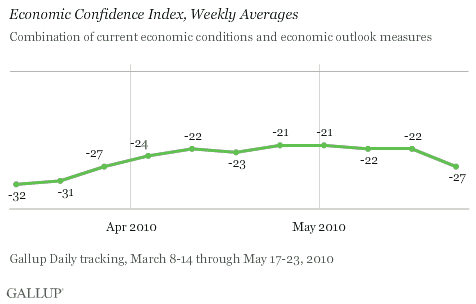
However, the most significant potential affect of the euro crisis may be its impact on upper-income spending. Gallup's May spending data suggest some upper-income consumers may be experiencing what an analyst on CNBC referred to as "frugality fatigue." The question is whether the financial crisis in Europe and equity market response will reinvigorate the "frugality" trend that has dominated for nearly two years.
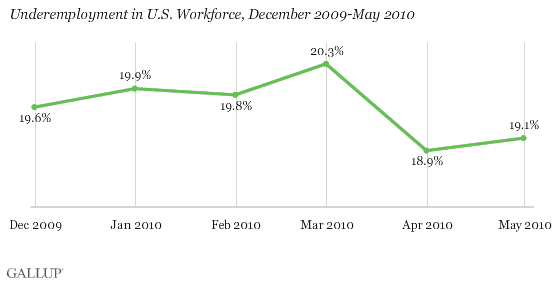
Given this context, May's most important jobs numbers could be those involving underemployment -- not unemployment. Gallup's underemployment rate appeared to stall in May. It could be that the euro crisis and the potential for "extended frugality" already has some employers hesitating to hire full-time workers and instead adding part-timers -- not good news for those looking for full-time jobs nor the U.S. economy.