WASHINGTON, D.C. — The latest Hologic Global Women’s Health Index shows improvement in key areas of women’s health. More women than at any point in the Index’s five-year history report being tested for high blood pressure, cancer, and diabetes, and report feeling safer in their communities.
Yet progress is uneven. Gains in preventive care are concentrated among older women in wealthier countries. At the same time, testing rates in low-income nations remained flat in 2024, and women remain less likely than men to feel safe in 104 of the 144 countries surveyed.
Since its establishment in 2020, the Index has helped fill a critical gap in what the world knows about women’s health and wellbeing. The Index asks questions across five dimensions of health: preventive care, opinions of health and safety, emotional health, basic needs, and individual health.
The fifth iteration is based on annual surveys conducted in 2024 as part of Gallup’s World Poll, in person and by telephone, with more than 145,000 women and girls and men and boys aged 15 and older across 144 countries and territories. The next round of data collection is scheduled to begin this year.
Testing Rates for Cancer, Diabetes and High Blood Pressure Rise
The Index tracks testing for high blood pressure, diabetes, cancer and sexually transmitted infections because these conditions are major contributors to illness, preventable death and long-term health complications among women worldwide.
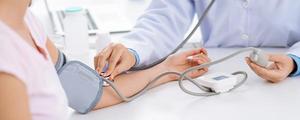
Testing for high blood pressure — a major risk factor for heart disease and stroke — reached a five-year high of 39% among women in 2024. Diabetes testing rose four percentage points to a record 24%, while cancer testing rebounded from its previous low, climbing three points to 13%.
However, sexually transmitted infection (STI) testing held steady at 10%, unchanged since the Index began in 2020.
Increases in testing for high blood pressure, cancer and diabetes illustrate progress, but gains were driven primarily by women aged 51 and older and those in upper-middle- and high-income economies.
For example, 51% of women in high-income economies reported being tested for high blood pressure in 2024, a full six points higher than in the first year of the Index. In low-income economies, the rate has not improved since the Index began: 26% of women reported being tested in 2024.
Beyond these disparities, over half of women worldwide are still not receiving any of these essential tests. In 2024, 54% of women, an estimated 1.5 billion globally, reported not being tested for any of these four conditions.
More Women Report Feeling Safe
In 2024, 67% of women said they feel safe walking alone at night, up from 63% in 2023 and the highest level recorded since the Index began. Still, nearly a third of women (32%) — approximately 1 billion globally — said they felt unsafe.
Men were more likely than women to feel secure in their surroundings: 78% said they feel safe walking alone at night. This gender gap exists across every region of the world, with at least a 10-point difference between men and women in 104 of the 144 countries and territories surveyed in 2024.
Gender disparities in perceived safety remain stark, even in countries with high levels of development and strong public safety infrastructure. Among the 11 countries with the largest gender gaps in 2024 (26 points or more), most are high-income economies.
Singapore is a notable exception: Its residents almost universally feel safe, and there is near parity between women and men. In 2024, 97% of women in Singapore said they feel safe walking alone at night, which is the highest reported level among women worldwide. As many men (98%) said they feel safe.
Ongoing Emotional and Financial Challenges
While preventive care and safety indicators improved globally, other measures of women’s health show continued strain.
Women’s emotional health, measured by self-reported experiences of worry, sadness, stress and anger, remains relatively stable overall. However, high rates of sadness and worry persist. In 2024, 42% of women reported worry and 28% reported sadness the previous day; both are higher than in the first year of the Index.
Financial hardship remains widespread. Nearly four in 10 women (37%) said there were times in the past year when they could not afford food, and almost one in three (31%) struggled to afford housing. Both measures remain elevated, underscoring the economic pressures that roughly 1 billion women continue to face.
Physical health challenges also persist. In 2024, 34% of women reported experiencing physical pain during much of the previous day, which is similar to levels seen between 2021 and 2023, but higher than in the first year of the survey.
Nearly one in four women (24%) reported health problems that prevent them from doing activities people their age can normally do, down two points from 2023.
The Full Picture of Women’s Health
The Index condenses women’s survey responses into a single score across five dimensions of health. Because the Index reflects these multiple dimensions, gains in some areas were offset by continued strain in others. As a result, the 2024 global score was 54 out of 100, unchanged from 2020.
At the country level, there have been gains and losses. From 2020 to 2024, Index scores increased in 28 countries and decreased in 10, with little meaningful change in the rest. But all countries, even the best-scoring ones, have work to do: Not one country or territory scored higher than 69 out of 100 in 2024.
Taiwan led the world for the fifth consecutive year with a score of 69, followed by Latvia and Japan at 66. At the other end of the spectrum, Chad ranked lowest at 32.
The U.S. recorded its highest ranking to date, placing 13th with a score of 64, driven largely by gains in preventive care. Testing rates for high blood pressure, diabetes and cancer were all meaningfully higher than the 2020 measures. Testing for high blood pressure increased most, rising 12 points from 56% in 2020 to 68% in 2024.
Still, the U.S. trails many peer nations and continues to show gender gaps in healthcare satisfaction and perceptions of safety. Men in the U.S. have consistently reported higher satisfaction than women with the availability of quality healthcare in their area. In 2024, 81% of men said they were satisfied, compared with 72% of women.
Bottom Line
The 2024 Hologic Global Women's Health Index findings show pockets of progress in areas such as preventive care and perceptions of safety. Yet five years into the research, the unchanged global score and persistent disparities across countries, income levels and age groups reflect an uneven landscape in women’s health. These patterns underscore the importance of sustained measurement to ensure women’s experiences are reflected in global health data.
Stay up to date with the latest insights by following @Gallup on X and on Instagram.
For complete methodology and specific survey dates, please review Gallup's Country Data Set details. Learn more about how the Gallup World Poll works.